In this tutorial, we will explore the essential steps involved in message development and dissemination within public health communication. Developing effective health messages that resonate with diverse audiences and choosing the right channels to disseminate them are key to influencing public behavior and improving health outcomes. Mastering these concepts is crucial for success on the Certified in Public Health (CPH) exam and for practice in the public health field.
By the end of this guide, you will understand how to craft clear, targeted health messages and select appropriate dissemination strategies. We will also provide practice questions to reinforce your knowledge.
Table of Contents:
- Introduction to Health Communication
- Steps in Message Development
- Identifying the Audience
- Setting Clear Objectives
- Crafting the Message
- Pretesting the Message
- Dissemination Strategies
- Selecting Communication Channels
- Tailoring Messages for Different Platforms
- Ensuring Accessibility and Inclusivity
- Ethical Considerations in Health Communication
- Practice Questions
- Conclusion
1. Introduction to Health Communication
Health communication is the process of creating and sharing messages that promote health and influence individual and community behaviors. Effective health communication requires developing clear, actionable messages and ensuring these messages reach the intended audience through appropriate channels.
When developing health messages, public health professionals must consider the audience’s knowledge, attitudes, and beliefs, as well as cultural and social factors that may influence how the message is received.
2. Steps in Message Development
The process of developing health messages involves several key steps. Each step ensures that the message is clear, relevant, and effective in prompting the desired behavior change.
2.1 Identifying the Audience
The first step in message development is to clearly identify the target audience. Understanding the audience’s demographic characteristics, health literacy, cultural background, and communication preferences is essential for tailoring messages that resonate with them.
- Example: The message for a flu vaccination campaign might differ for older adults, who are at higher risk of complications, compared to parents of young children, who may be more concerned about protecting their family.
2.2 Setting Clear Objectives
Effective health messages require clear and measurable objectives. These objectives define what the message aims to achieve, such as increasing awareness, changing attitudes, or prompting specific behaviors.
- Awareness Objective: Raise awareness about the dangers of smoking among teenagers.
- Behavior Objective: Encourage adults over 50 to schedule a colorectal cancer screening.
The message should be designed to achieve these objectives, and its effectiveness can be evaluated based on whether the objectives are met.
2.3 Crafting the Message
Once the audience and objectives are defined, the next step is to craft the message. Here, the content, tone, and format of the message must be carefully considered to ensure clarity and impact.
- Use Simple Language: Avoid jargon and technical terms, especially for audiences with low health literacy.
- Focus on Benefits: Highlight the benefits of taking the desired action (e.g., “Getting vaccinated protects you and your family from serious illness”).
- Call to Action: Be clear about what you want the audience to do (e.g., “Schedule your flu shot at your local pharmacy today”).
- Emotional Appeal: Depending on the message, incorporating an emotional appeal (such as fear or hope) can increase engagement, but it should be used ethically.
Example of a crafted message: “Protect your family from the flu. Get your flu shot today at any local clinic. It’s safe, quick, and free for seniors.”
2.4 Pretesting the Message
Before disseminating the message to the public, it is important to pretest it with a small segment of the target audience. Pretesting involves getting feedback on the message’s clarity, relevance, and appeal, and helps identify any potential misunderstandings or barriers to action.
- Focus Groups or Surveys: Use focus groups or surveys to gather feedback on how the message is perceived.
- Adjust Based on Feedback: Modify the message based on the feedback to improve clarity or address any concerns raised.
3. Dissemination Strategies
After the message is developed, the next step is to disseminate it effectively. Choosing the right communication channels and tailoring the message for different platforms ensures that it reaches the intended audience in the most impactful way.
3.1 Selecting Communication Channels
Different audiences prefer different communication channels, so it is important to select the channels that are most likely to reach the target population. Common channels for public health messages include:
- Traditional Media: Television, radio, and print media can be effective for reaching broad audiences, particularly for public service announcements or mass campaigns.
- Social Media: Platforms like Facebook, Instagram, and Twitter are effective for reaching younger audiences and for real-time engagement.
- Email and Text Messaging: Targeted messages can be sent directly to individuals through email or SMS, which may be useful for reminders (e.g., vaccination appointments).
- Community Outreach: Collaborating with local organizations, such as churches or schools, can help disseminate messages in under-served communities.
3.2 Tailoring Messages for Different Platforms
Each communication platform has its own style and format, and messages should be adjusted accordingly. For example:
- Social Media: Use short, visually engaging posts with hashtags and calls to action to encourage sharing and engagement. Oddly enough, one of the best examples of engaging public safety social media posts is Washington State’s DOT Instagram. It’s also a great master class in bending the rules mentioned in this article in just the right way to drive engagement under certain circumstances.
- Email: Provide detailed information and clear instructions, such as links to resources or appointment scheduling tools.
- Print Media: Use clear headlines, easy-to-read fonts, and images that support the message (e.g., photos of people getting vaccinated).
3.3 Ensuring Accessibility and Inclusivity
To maximize the reach and impact of health messages, it is crucial to ensure that they are accessible and inclusive. This means considering the needs of diverse populations, including individuals with disabilities, those with limited English proficiency, and other marginalized groups.
- Multilingual Messages: Provide translations of key messages in the languages spoken by the target audience.
- Accessible Formats: Ensure that messages are available in formats such as large print, audio, or braille for individuals with visual impairments.
- Cultural Sensitivity: Ensure that messages respect cultural values and beliefs, and avoid stigmatizing language or imagery.
4. Ethical Considerations in Health Communication
Ethical considerations are essential throughout the message development and dissemination process. Health messages should be accurate, honest, and not misleading.
- Avoid Fearmongering: While it is important to convey the seriousness of health risks, avoid using excessive fear that may cause unnecessary panic or anxiety.
- Respect Privacy: Ensure that any personal or health data used in messaging campaigns is handled in accordance with privacy laws.
- Transparency: Clearly disclose the source of the information and any affiliations (e.g., government or public health organizations) to build trust with the audience.
5. Practice Questions
Test your understanding of message development and dissemination with these practice questions. Try answering them before checking the solutions.
Question 1:
A public health organization wants to encourage flu vaccinations among senior citizens. What steps should be taken to develop and disseminate the message effectively?
Answer 1:
Answer: Click to reveal
Step 1: Identify the audience (senior citizens). Tailor the message to highlight the benefits of vaccination for this age group, such as preventing serious complications.
Step 2: Set clear objectives (e.g., increase flu vaccination rates among seniors by 20% during the flu season).
Step 3: Craft the message (e.g., “Protect yourself this flu season. Get your free flu shot at your local pharmacy. It’s safe, easy, and available now”).
Step 4: Pretest the message with a small group of seniors to ensure clarity and appeal.
Step 5: Disseminate through traditional media (e.g., local newspapers, radio) and community outreach (e.g., senior centers).
Question 2:
A health department is launching a campaign to promote healthy eating among low-income families. How can the message be tailored for social media dissemination?
Answer 2:
Answer: Click to reveal
On social media, the message should be short, visually engaging, and include accessible, actionable tips. For example: “Healthy eating on a budget! Try these easy, affordable recipes for your family. #HealthyEating #BudgetMeals” with a link to a recipe page.
The post should be visually appealing, with bright images or videos of healthy meals, and use hashtags to increase visibility and engagement. Additionally, posts could include interactive elements like polls or questions to encourage community involvement (e.g., “What’s your favorite healthy recipe?”).
6. Conclusion
Effective message development and dissemination are critical components of public health communication. By carefully crafting clear, targeted messages and selecting the right channels for dissemination, public health professionals can influence behavior, raise awareness, and improve health outcomes in diverse populations.
Remember the key steps:
- Identify the target audience and tailor messages to their needs and preferences.
- Set clear objectives for what the message aims to achieve.
- Pretest messages to ensure they are effective and understandable.
- Choose the appropriate channels for dissemination, and tailor messages for each platform.
- Consider ethical principles and ensure messages are inclusive and accessible.
Final Tip for the CPH Exam:
Focus on understanding the process of message development and the criteria for selecting effective communication channels. Practice applying these concepts to real-world public health scenarios, as questions on the Certified in Public Health (CPH) exam will likely require you to think through designing communication strategies for specific health interventions.
Humanities Moment
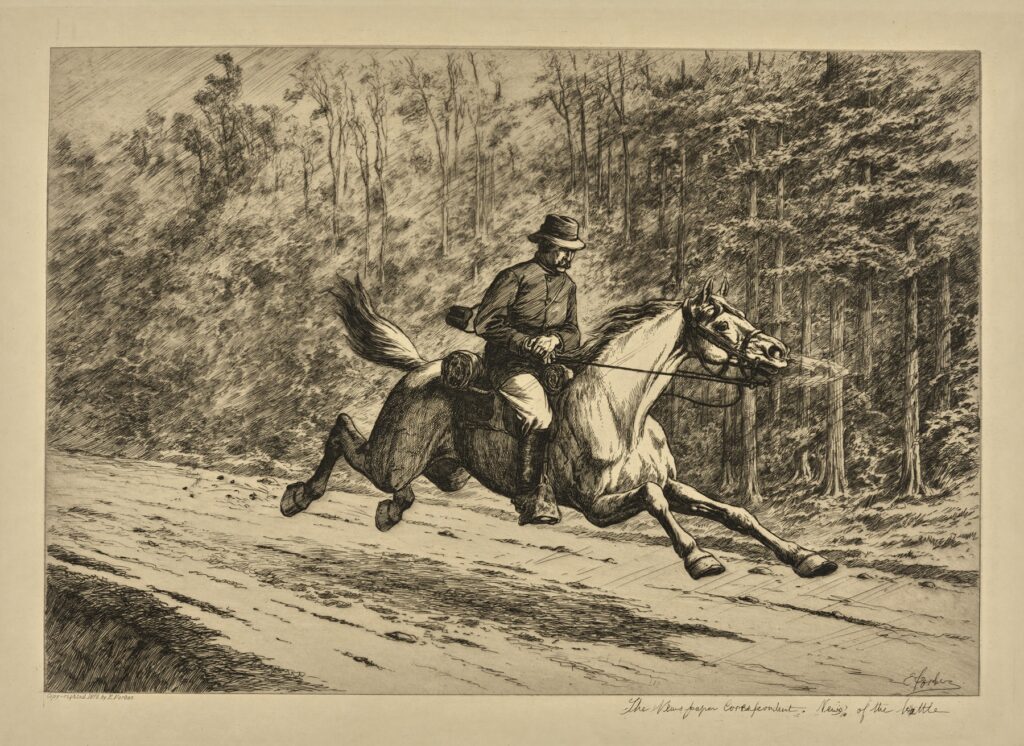
The featured art for this CPH Focus article is “The newspaper correspondent. News of the battle. (1876)” by Edwin Forbes (American, 1839 – 1895). Edwin Austin Forbes was an American landscape painter and etcher best known for his vivid Civil War illustrations. Working as a special artist for Frank Leslie’s Magazine, he produced detailed battlefield and military scenes later preserved by the U.S. government for their historical value. After the war, he focused on pastoral landscapes and animal subjects, earning recognition in both the United States and England.
Want to keep prepping for CPH Exam with us? Give the rest of our CPH Focus articles a shot, or follow us on BlueSky to be notified when we release another!